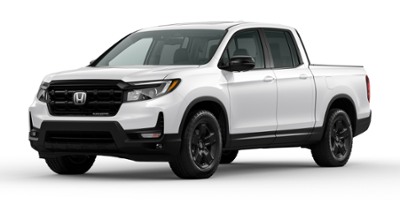
2026 Honda Ridgeline Black Edition Two-Tone: Specs and Pricing Explained
At $47,895, this is the highest-priced configuration in the Ridgeline lineup — here's what that money buys mechanically.
By IFMG Editorial ·
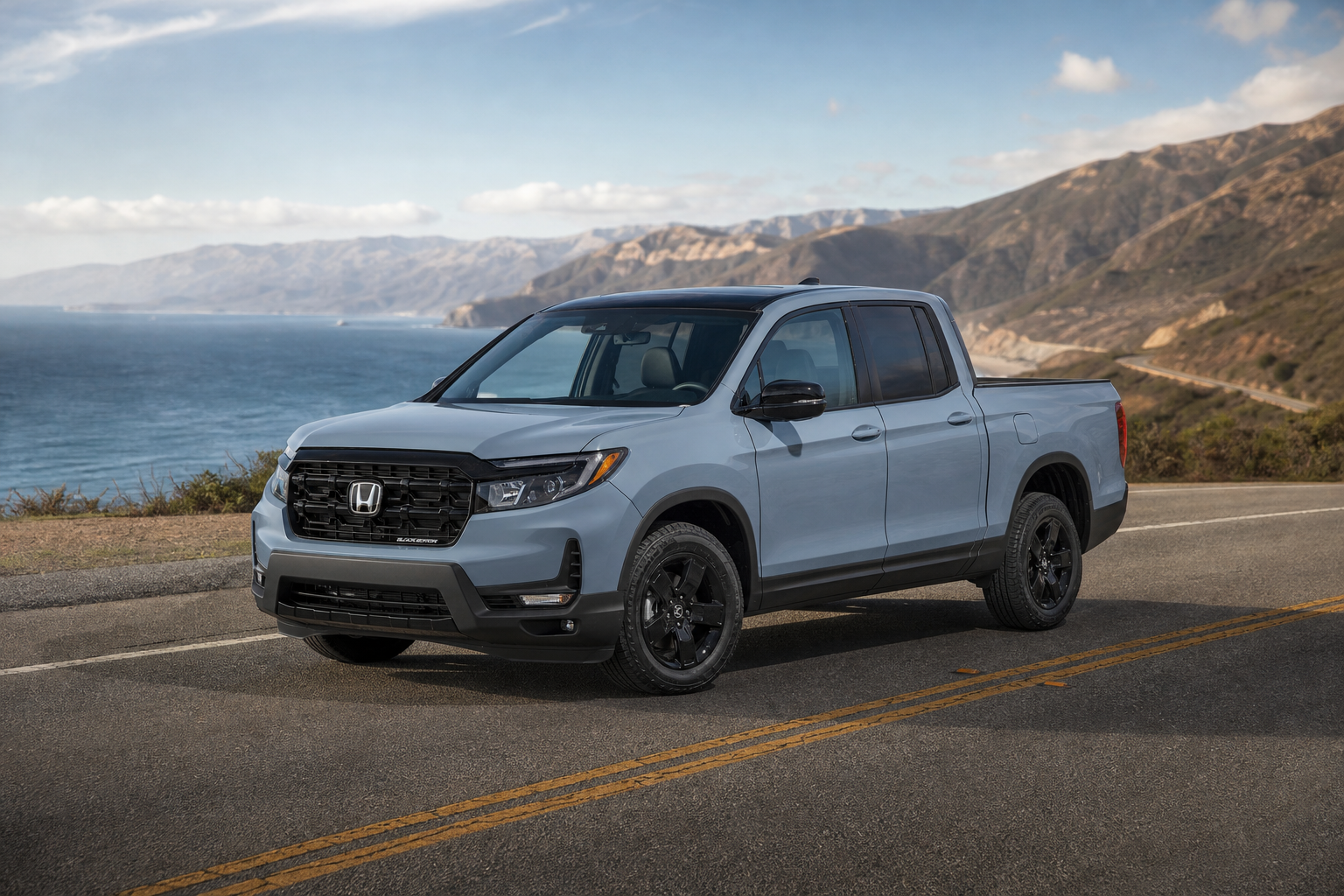
Where it sits in the price ladder
The Two-Tone's $47,895 MSRP puts it $500 above the standard Black Edition, $700 above the TrailSport+, and $1,900 above the TrailSport. Against the opposite end of the lineup, it runs $7,100 above the Sport and $4,300 above the RTL. Those gaps are the premium for trim-specific cosmetic and equipment content — since the catalog shows no mechanical differences between any Ridgeline trim, a shopper comparing this configuration to the Sport is paying almost entirely for presentation rather than capability.
The drivetrain doesn't change with the badge
Every 2026 Ridgeline, including this one, runs the 3.5-liter V-6 rated at 280 hp and 262 lb-ft, paired with a 9-speed automatic and all-wheel drive. There's no gas/hybrid split and no two-wheel-drive option to weigh here — the Two-Tone's powertrain spec sheet is identical to the base Sport's. For a buyer deciding whether the top trim is worth the jump, the answer hinges entirely on features outside this catalog's scope, since output, torque, and transmission are fixed across the range.
Fuel economy lands with the RTL and standard Black Edition, not the TrailSports
The Two-Tone is rated at 18 mpg city, 24 mpg highway, and 21 mpg combined — matching the Sport, RTL, and standard Black Edition, and a step ahead of the TrailSport and TrailSport+, which post 20 mpg combined. That gap traces to the TrailSport twins' different tuning or gearing rather than anything about the Two-Tone itself. At the assumed 15,000 miles a year and $3.50 a gallon, the Two-Tone's fuel cost works out to about $2,500 annually, or roughly $12,500 over five years — the same estimate as the Sport, RTL, and Black Edition, since they share the same combined rating.
Cabin and cargo numbers are lineup-wide, not trim-specific
Seating capacity (5), cargo volume (33.9 cu ft), fuel tank size (19.5 gallons), and the 4.33 axle ratio are constants across all six Ridgeline configurations, including this one. None of those figures move with price, so a shopper choosing between the Two-Tone and the Sport covered in the companion Ridgeline Sport page isn't trading away interior room or tank range — just trim-level styling and feature content the spec sheet doesn't itemize.
Value index puts it behind cheaper trims, not ahead
Honda's spread of trims produces a value index — combined mpg per $1,000 of MSRP — that favors lower-priced configurations. The Sport scores 0.51, the RTL 0.48, and the Two-Tone ties the standard Black Edition at 0.44, the lowest reading in the lineup alongside the TrailSport (0.43) and TrailSport+ (0.42). That's a function of identical fuel economy paired with the highest sticker price, not a mechanical shortfall. The separate Black Edition by-the-numbers piece covers the standard trim's near-identical math in more depth.
By the Numbers
Assumes 15,000 miles a year and $3.50 per gallon.
Frequently Asked Questions
The catalog shows no mechanical difference — same engine, transmission, drivetrain, and fuel economy. The $500 gap (about 1.1%) buys appearance or equipment content not captured in these specs, so the decision comes down to those details rather than performance.
It matches the Sport, RTL, and standard Black Edition at 18 mpg city, 24 mpg highway, and 21 mpg combined. The TrailSport and TrailSport+ are rated one mpg lower combined, at 20 mpg combined.
By the lineup's value index — combined mpg per $1,000 of MSRP — the Sport scores highest at 0.51, versus 0.44 for the Two-Tone. That reflects the Sport's lower price paired with the same 21 mpg combined rating, not a difference in capability.
Every trim, including the Two-Tone, uses a 3.5-liter V-6 making 280 hp and 262 lb-ft, paired with a 9-speed automatic and all-wheel drive. There's no alternate engine or two-wheel-drive option in this lineup.
It seats 5 and offers 33.9 cu ft of cargo volume — figures that are identical across every 2026 Ridgeline configuration, not unique to this trim.
The facts here show a consistent powertrain (280 hp, 9-speed automatic, AWD) across all six trims, with pricing from $40,795 to $47,895 and combined fuel economy of either 21 mpg combined or 20 mpg combined depending on trim. Whether that's worth it depends on which styling and equipment package a buyer values, since the mechanical spec sheet doesn't change.
Bottom Line
The 2026 Ridgeline Black Edition Two-Tone shares its 280-hp V-6, 9-speed automatic, AWD, seating, cargo volume, and fuel tank capacity with every other trim in the lineup. Its distinguishing factor in this data set is price: at $47,895 it's the highest MSRP in the range, paired with the same 21 mpg combined rating as the Sport, RTL, and standard Black Edition, and a value index of 0.44 mpg per $1,000 of MSRP — tied for the lowest in the lineup alongside the standard Black Edition.
Next steps
- 2026 Honda Ridgeline Black Edition Two-Tone
- Trims
- 2026 Honda Ridgeline TrailSport+: Specs and Pricing by the Numbers
- 2026 Honda Ridgeline TrailSport: Specs, Price, and the Mileage Trade-Off
- 2026 Honda Ridgeline Sport: What the Base Trim's Specs Actually Buy
- 2026 Honda Ridgeline RTL: Specs and Pricing Explained